The History of Playa Coyote, Costa Rica: A Glimpse into the Past of the Nicoya Peninsula’s Hidden Gem
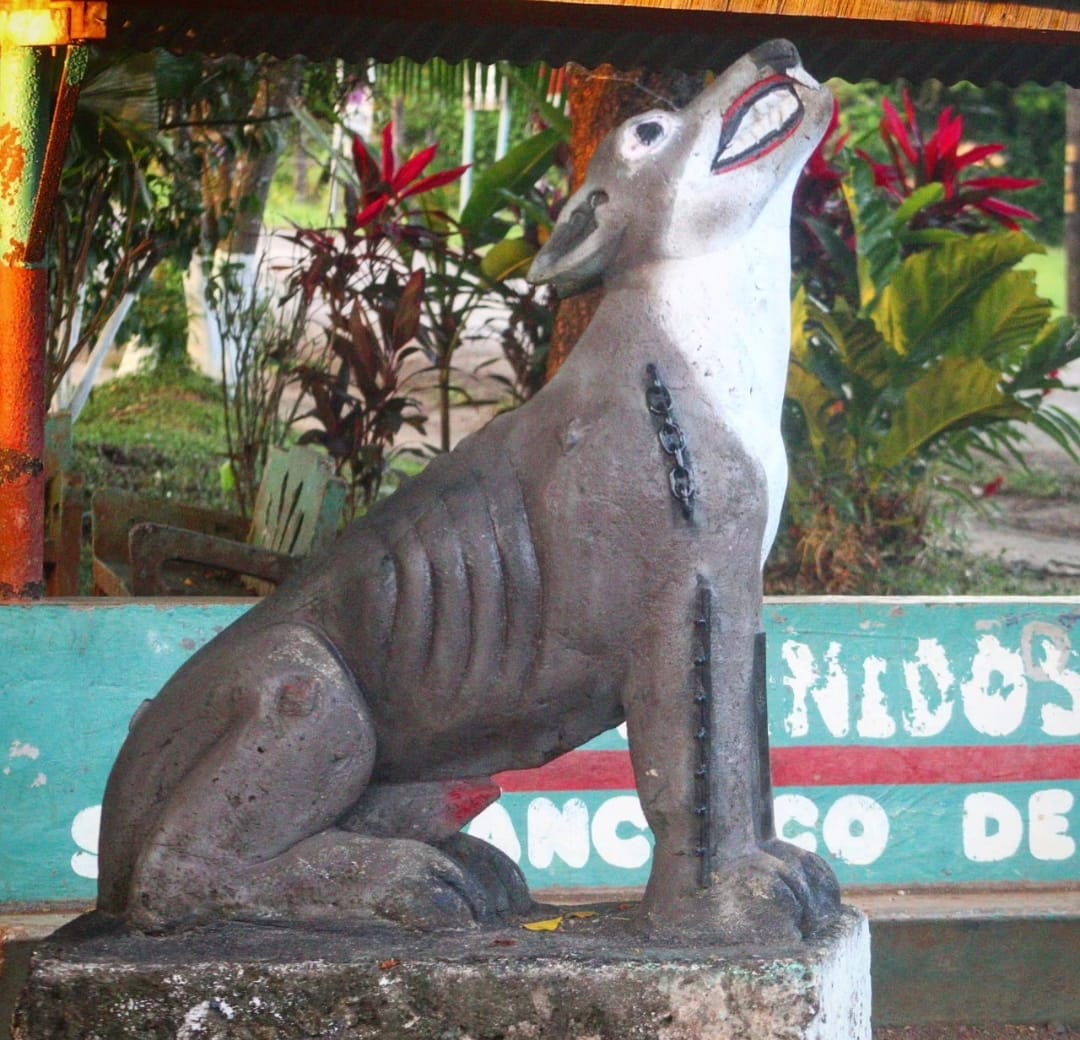
The Coyote Coast refers to the beaches on the Nicoya Peninsula centered around the town of San Francisco de Coyote. Known for its pristine beaches, vibrant natural surroundings, and close-knit community, this secluded paradise has managed to retain its charm and avoid the heavy development seen in other parts of Costa Rica. For visitors and residents alike, understanding the history of the Coyote and the surrounding area deepens appreciation for the rich culture, indigenous heritage, and resilience of the local community.
1. Indigenous Heritage: The Chorotega Legacy
The Nicoya Peninsula, where Playa Coyote is located, was originally inhabited by the Chorotega people, one of Costa Rica’s most prominent indigenous groups. The Chorotega migrated south from Mexico centuries ago and settled throughout the peninsula, bringing with them their language, culture, and agricultural practices. They were skilled farmers, cultivating corn, beans, and squash, and developed elaborate pottery and textiles that reflected their artistic talents.
Throughout the Coyote Coast, remnants of the Chorotega influence are still present. Artifacts like pottery shards and stone tools have been discovered, reflecting their sophisticated craftsmanship and connection to the land. The Chorotega community was organized into small villages and valued close relationships with nature, a philosophy that still resonates in Playa Coyote today, where sustainability and conservation are central.
2. Spanish Colonization and the Province of Nicoya
In the early 16th century, Spanish explorers arrived in Costa Rica, significantly impacting the indigenous populations. The Spanish imposed their systems of governance, language, and religion on the region, transforming Nicoya into a colonial province. Many Chorotega villages, including those around Playa Coyote, were incorporated into the new colonial administration. However, unlike other parts of Costa Rica, the Nicoya Peninsula retained more autonomy, as its rural and isolated nature made it challenging for Spanish rule to fully permeate.
One key event in Costa Rican history was the annexation of the Nicoya Peninsula. In 1824, the people of Nicoya voted to join Costa Rica, becoming part of the newly independent nation. This “Anexión del Partido de Nicoya” is celebrated every July 25 as a national holiday, commemorating the peninsula’s choice to align with Costa Rica rather than neighboring Nicaragua.
3. Early Economic Development: Fishing, Farming, and Ranching
The rural, undeveloped nature of the Coyote Coast meant that it did not initially attract much attention from settlers or investors. Most locals worked in agriculture and fishing, industries that are still central to life in the area today. Generations of families have relied on the sea and the land for sustenance, creating a unique bond with the environment that defines the community’s values.
Fishing in Playa Coyote has traditionally been artisanal, with locals using sustainable practices to preserve the ocean's resources. Small family-owned farms, meanwhile, have focused on producing staples like rice, beans, and corn, as well as livestock. Over time, ranching also became an important economic activity, with cattle farms dotting the landscape of the Nicoya Peninsula. This rural, self-sustaining lifestyle kept Playa Coyote relatively isolated from major development until the late 20th century, preserving its rustic charm.
4. The Rise of Eco-Tourism and Sustainable Living
In the 1970s and 1980s, Costa Rica gained international recognition for its commitment to conservation and environmental protection, attracting tourists and foreign investors interested in sustainable tourism. The Nicoya Peninsula’s stunning natural beauty and biodiversity made it an ideal location for eco-tourism, and the Coyote Coast became known as an off-the-beaten-path destination for travelers seeking an authentic experience away from crowded tourist areas.
In the 1990s, Costa Rica’s growing eco-tourism industry began to impact Playa Coyote. While the area saw an increase in visitors, it remained relatively undeveloped compared to more popular destinations like Tamarindo or Manuel Antonio. The community welcomed sustainable tourism practices, aligning well with the environmental values held by locals. Boutique hotels, yoga retreats, and eco-lodges began to emerge, catering to travelers interested in immersing themselves in nature rather than high-end resorts.
5. The Blue Zone Discovery: Health and Longevity in Nicoya
In the early 2000s, the Nicoya Peninsula gained even more recognition when it was identified as one of the world’s five Blue Zones. This term, coined by researchers, refers to regions with unusually high rates of longevity and health among their populations. The Blue Zone designation brought more attention to the Nicoya Peninsula, and by extension, Playa Coyote.
Researchers discovered that Nicoya’s residents lived longer, healthier lives due to factors such as a plant-based diet, close family connections, physical activity, and limited stress. This newfound recognition as a Blue Zone drew people from around the world who wanted to experience this lifestyle. For Playa Coyote, the Blue Zone designation further emphasized the importance of preserving traditional ways of life, focusing on health, and maintaining a strong community ethos.
6. Playa Coyote Today: Balancing Growth and Preservation
In recent years, Playa Coyote has seen modest growth as a residential and vacation destination. The town has attracted expats and retirees looking for a simpler way of life, surrounded by natural beauty. Many of these newcomers share a commitment to sustainable living and are attracted by Playa Coyote’s focus on eco-friendly tourism and conservation.
Despite the influx of interest, Coyote has retained its small-town feel. The local government and community leaders work hard to ensure that development is sustainable and respects the area’s cultural and environmental heritage. Regulations, such as restrictions on beachfront property in the Maritime Zone, help prevent overdevelopment and maintain public access to the beaches. This balanced approach has allowed Playa Coyote to thrive as an example of how responsible tourism and real estate can coexist with conservation and local traditions.
7. Preserving the Future of Playa Coyote
Today, the Coyote Coast is celebrated for its untouched beaches, lush landscapes, and strong community spirit. The town continues to evolve as it welcomes new residents and visitors, but the values that have sustained Playa Coyote remain at its core. Locals and newcomers alike are dedicated to preserving the natural environment, supporting sustainable practices, and fostering a community where nature and simplicity are prioritized.
In Playa Coyote, history is woven into the landscape, from the ancient practices of the Chorotega people to the artisanal fishing traditions that continue today. The area’s past, shaped by resilience and an unwavering connection to nature, lives on in the everyday life of Playa Coyote. Whether you're exploring the hidden coves or participating in community conservation efforts, you’ll find that the essence of Playa Coyote’s history and culture is alive and well.
Conclusion: A Living Legacy in Playa Coyote
Living in or visiting Playa Coyote is a step into a simpler, more mindful way of life. As this charming town grows, its history reminds us of the importance of preserving cultural heritage, protecting the environment, and building strong community connections. Playa Coyote’s story is a testament to Costa Rica’s commitment to balance—where growth can be achieved without sacrificing the values and natural beauty that make this area so special. For those who appreciate rich history, community values, and a deep respect for nature, The Coyote Coast offers a rare and genuine experience of Costa Rica’s spirit.
To learn more about real estate in Playa Coyote or the surrounding areas, contact us today.